
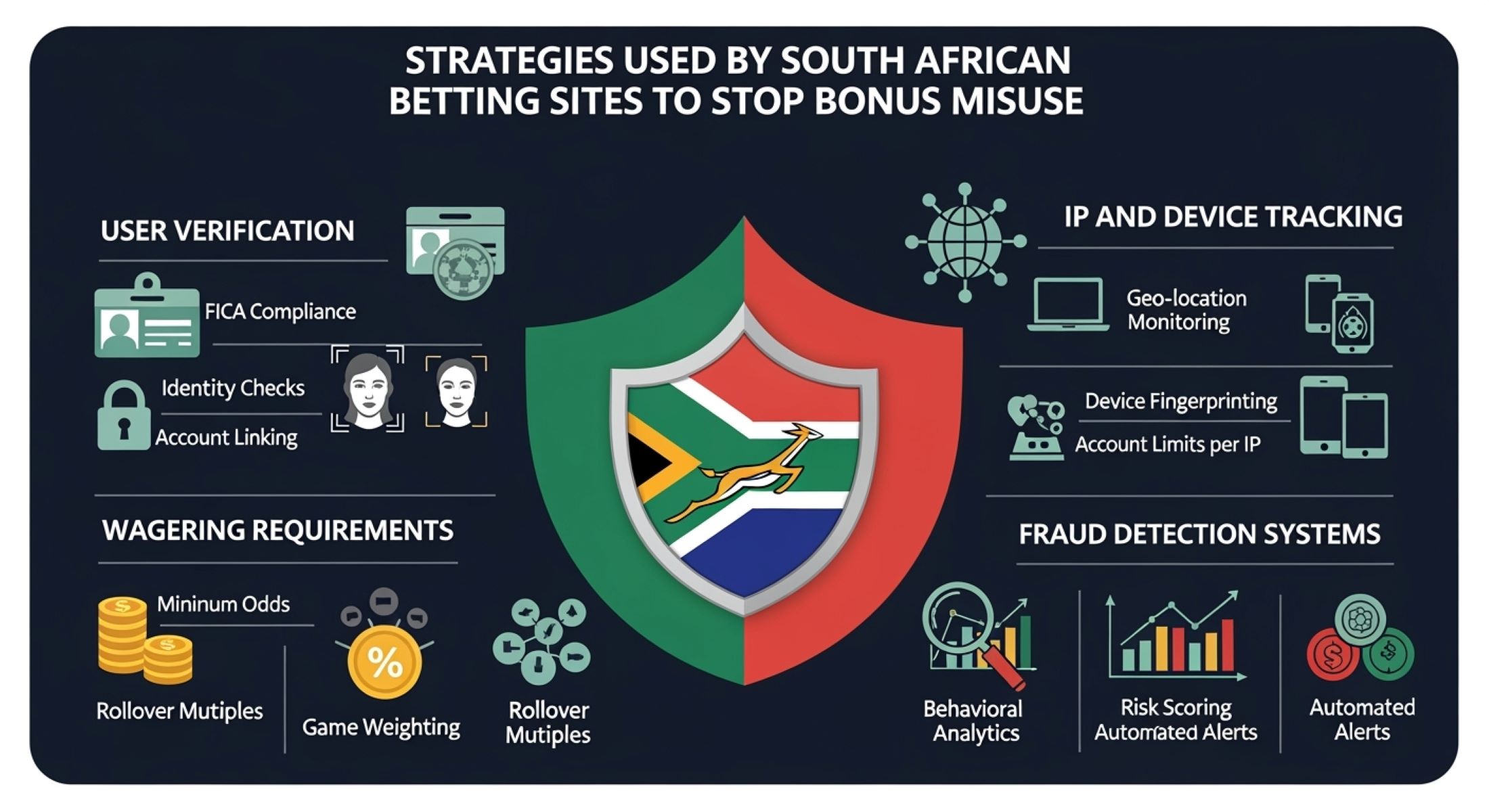
Online platforms, especially in South Africa’s booming digital economy, often use bonuses to attract and retain users. Bonuses like free spins, cashback, or deposit matches can be great perks — but they can also be exploited. Bonus abuse happens when players exploit these offers in ways that the platform never intended, leading to losses for the business. You might wonder: How do these platforms keep things fair? Let’s dive deep into the world of bonus abuse prevention on South African platforms and see the clever strategies they use to protect themselves and their users.
Understanding Bonus Abuse: What Is It Exactly?
Bonus abuse is a deceptive practice where users exploit promotional offers in ways that were never intended by the platform. While bonuses are designed to attract new players or reward loyal ones, abusers manipulate the system to gain unfair advantages. This behavior isn’t limited to just one method—it can span from relatively simple tricks like registering multiple accounts to more complex schemes involving technology or cooperation with other users. The end goal is always the same: to extract as much value as possible from the bonus without contributing fairly to the platform.
In the context of South Africa’s rapidly growing digital economy, bonus abuse has become a significant concern. Online casinos, sports betting platforms, and even e-commerce websites often rely on promotional incentives to compete in a saturated market. When bad actors take advantage of these offers, it disrupts the balance. Not only do businesses face direct financial losses, but they also have to deal with increased operational costs, like hiring fraud detection teams or developing advanced software to catch abuse. It becomes a cat-and-mouse game between platforms and abusers, each trying to outsmart the other.
What makes bonus abuse especially tricky is that it often appears legitimate on the surface. For instance, someone might create multiple accounts using slight variations of their name and different email addresses, all from the same device or IP address. Others might use advanced tools like bots or automated scripts to place risk-free bets with mathematical precision. There are even cases of coordinated abuse, where groups of individuals work together to exploit bonuses across multiple platforms. These tactics can be hard to detect, especially when they mimic normal user behavior.
The consequences extend beyond just monetary loss. Genuine players may suffer as platforms respond by tightening bonus terms, increasing wagering requirements, or limiting access to promotions. This creates a less enjoyable experience for honest users, damaging trust and customer loyalty. In a competitive environment like South Africa’s online gambling industry, where user experience is everything, bonus abuse doesn’t just hurt profits—it undermines the integrity of the entire platform.
Why Bonus Abuse is a Big Deal for South African Platforms
| Impact Area | Description | Example Scenario | Short-Term Effect | Long-Term Consequence |
| Financial Loss | Revenue leakage from repeated exploitation of bonuses | A user creates 10 fake accounts to claim R500 welcome bonus each | Immediate cash loss to the platform | Reduced funds for real promotions and business growth |
| Player Trust | Honest users feel disadvantaged when abusers win unfairly | Regular players see others winning big with little play | Frustration and potential drop in user engagement | Loss of loyal customers and lower user retention |
| Reputation Damage | Word-of-mouth and reviews impact platform’s public image | Negative reviews on forums or social media expose poor bonus controls | Brand credibility takes a hit | Fewer new sign-ups and damaged market position |
| Regulatory Risk | Legal penalties due to non-compliance with gambling laws | Authorities investigate due to repeated abuse reports | Legal consultations and temporary suspensions | Fines, permanent bans, or license revocation |
| Operational Strain | Resources wasted on managing and resolving abuse cases | Customer support overwhelmed with bonus-related fraud complaints | Increased costs and slower support response | Need for investment in tech upgrades and anti-fraud systems |
How Do South African Platforms Detect Bonus Abuse?
Detecting bonus abuse is crucial for South African platforms to protect themselves and their users. To catch suspicious behavior early, these platforms rely on a combination of sophisticated technology and experienced human oversight. Here’s a detailed breakdown of the main methods they use:
- Platforms require thorough identity verification from users. This involves checking official identification documents such as passports or national IDs to confirm a person’s real identity. They also verify contact details like phone numbers and email addresses to ensure they belong to the user. In some cases, biometric data such as fingerprints or facial recognition is used to add an extra layer of security. This process significantly reduces the chances of someone creating multiple accounts anonymously.
- IP address tracking plays a big role in detecting abuse. Platforms monitor the IP addresses from which accounts are created and accessed to identify if multiple accounts originate from the same location. This helps catch users attempting to bypass restrictions by opening several accounts from one place. Additionally, device fingerprinting technology identifies unique hardware or software configurations, making it possible to detect if the same device is being used for multiple accounts even if the IP address changes.
- Behavioral analytics act like a digital detective watching how users interact with the platform. Platforms analyze patterns in gameplay and transactions to spot irregularities. For example, repeated bets placed with very low risk, or sudden bursts of frequent deposits followed by withdrawals, are red flags. Advanced algorithms study these behaviors in real time, flagging accounts that deviate from typical player activity for further investigation.
- Transaction monitoring is another key tool. Platforms keep a close eye on unusual financial activity, such as large deposits that are immediately followed by withdrawals of bonus funds. Frequent transfers between different accounts are also suspicious and often indicate collusion or bonus exploitation. When these patterns are detected, accounts are flagged for manual review by fraud prevention teams to determine if abuse has occurred.
- Together, these detection methods form a multi-layered defense system that makes it much harder for bonus abusers to succeed. The combination of identity checks, technical tracking, behavioral insights, and financial monitoring enables South African platforms to maintain fair play and protect their business interests effectively.
Step-by-Step Bonus Abuse Prevention Tactics
South African platforms use a variety of carefully designed strategies to prevent bonus abuse, starting with clear and strict terms and conditions. These terms outline exactly how bonuses can be used, who is eligible, and the specific rules players must follow. By setting limits such as one bonus per person or household, imposing wagering requirements, defining time frames for bonus use, and restricting certain bet types or games, platforms create a transparent framework. This transparency helps manage player expectations and acts as the first barrier against those trying to exploit offers unfairly.
Beyond clear rules, many platforms have embraced cutting-edge technology like machine learning and artificial intelligence to enhance their fraud detection capabilities. These systems analyze player behavior in real-time, detecting patterns that human eyes might miss. They can automatically flag suspicious accounts and adapt to emerging abuse tactics, making the platform more resilient. This technological approach allows platforms to stay ahead of sophisticated abusers who constantly change their methods to avoid detection.
Another key method involves imposing wagering requirements on bonuses. This means that players must wager a certain multiple of the bonus amount before they can withdraw any winnings associated with it. For instance, a deposit match bonus might require a player to bet 20 times the bonus before cashing out. These requirements discourage players from simply taking the bonus and immediately withdrawing it without engaging in genuine play. Wagering conditions make bonus abuse less profitable and encourage fair participation, ensuring the platform maintains balanced risk.
Finally, platforms strengthen their defenses through thorough account verification and withdrawal restrictions. Know Your Customer (KYC) procedures require users to provide valid identification and personal information, making it harder to create multiple fraudulent accounts. Withdrawal restrictions further ensure that players meet certain conditions—like minimum bet sizes, maximum withdrawal limits, or completing wagering within a specific time frame—before they can access bonus-related funds. Together, these steps reduce abuse opportunities while maintaining compliance with South African gambling regulations and fostering trust with legitimate players.
Challenges South African Platforms Face in Preventing Bonus Abuse
| Challenge | Description | Why It’s Difficult to Prevent | Potential Risks | Typical Platform Response |
| Multiple Users Sharing Devices | Many users access platforms from shared devices like internet cafes or family phones. | It’s hard to tell if multiple accounts on one device belong to different genuine users or one person abusing bonuses. | False positives in abuse detection, leading to blocking legit users. | Use advanced behavior analysis and KYC verification to differentiate users. |
| VPN and Proxy Use | Abusers use VPNs or proxies to hide real IP addresses and location. | VPNs mask true user location, making IP-based detection less reliable. | Abusers create multiple accounts or bypass geo-restrictions. | Implement VPN detection software and flag suspicious access patterns. |
| Sophisticated Bots | Automated programs imitate human play but exploit bonuses optimally. | Bots can mimic normal user behavior closely, making detection challenging. | Bonus exploitation at scale, unfair advantage over genuine players. | Continuously update AI-driven fraud detection systems to spot bots. |
The Role of South African Gambling Regulations
South African gambling regulations, mainly governed by the National Gambling Act and enforced by the National Gambling Board, set strict standards to ensure fairness, safety, and integrity within the online gambling industry. These regulations require platforms to operate transparently and responsibly while protecting players and businesses alike. Below is a detailed and comprehensive list of the main regulatory requirements and their roles:
- Mandatory Implementation of Anti-Fraud and Bonus Abuse Systems
Platforms must install robust technologies and processes to detect, prevent, and respond to bonus abuse, fraud, and other unethical practices. - Strict Know Your Customer (KYC) Procedures
Operators are required to verify the identity of players through official documents to prevent multiple account creation and identity fraud. - Regular Audits and Compliance Checks
Platforms undergo periodic internal and external audits to ensure all operations, especially bonus management and fraud prevention measures, comply with legal and regulatory standards. - Obligation to Report Suspicious Activities
Any detected or suspected fraudulent activities, including bonus abuse or money laundering, must be promptly reported to regulatory authorities. - Enforcement of Responsible Gambling Measures
Operators are mandated to provide tools and resources such as self-exclusion options, deposit limits, and gambling behavior monitoring to help players gamble responsibly. - Data Protection and Privacy Compliance
Platforms must safeguard player data and comply with South Africa’s data protection laws, ensuring confidentiality and security of personal information. - Clear Terms and Conditions for Bonuses and Promotions
Regulations require operators to clearly communicate the rules and limitations associated with bonuses, including wagering requirements and withdrawal restrictions. - Restrictions on Marketing and Advertising Practices
Advertising must be truthful, non-misleading, and socially responsible, avoiding targeting vulnerable groups such as minors. - Licensing Requirements and Eligibility Criteria
Operators must obtain valid licenses, which include rigorous background checks and ongoing compliance commitments, to legally offer gambling services in South Africa. - Technical Standards for Fair Gaming
Platforms must use certified random number generators (RNGs) and regularly test their games for fairness and transparency.